
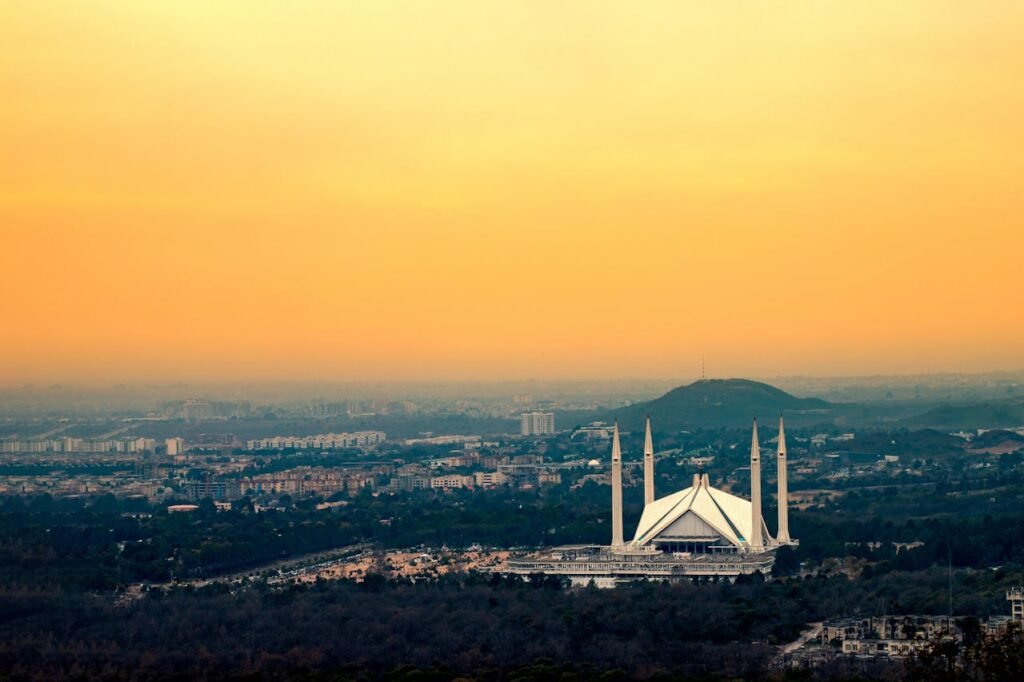
Property decisions in Pakistan — especially in Islamabad’s planned housing societies — often involve questions around legality, pricing, documentation, investment risk, and process clarity.
This FAQ section is designed to answer the most common and critical property-related questions raised by:
If your question is not covered here, you are encouraged to contact us directly at +92 331 1110174.
Yes, if you understand society legality, documentation, and payment structures. Proper guidance significantly reduces risk.
It depends on budget, risk tolerance, and holding period. Each has different implications.
You should understand ownership records, transfer procedures, and approval status before proceeding.
Yes. Prices fluctuate based on development progress and market demand.
Yes, but site understanding, verification, and advisory support are strongly recommended.
Islamabad has historically favored long-term investors due to planned development and infrastructure.
Long-term holding generally carries lower risk, while short-term flipping requires timing and market awareness.
ROI depends on entry price, development stage, holding duration, and exit timing.
Yes. Emerging societies can offer higher returns but carry higher legal and development risks.
Diversification can reduce risk, depending on budget and investment goals.
Yes. Many overseas Pakistanis invest remotely with proper documentation and advisory support.
Often yes, especially when physical presence is not possible.
Clear documentation, verification, and advisory guidance are essential.
Yes. Islamabad is one of the most preferred cities for overseas Pakistanis.
Regular communication and consultation help overseas buyers stay informed.
Yes. Islamabad offers planned infrastructure and residential environments.
Developed societies offer convenience, while developing ones may suit future planning.
Location, access, utilities, security, and future development plans.
Yes. Many buyers purchase plots with future construction plans.
The process is similar, but usage intent may influence decision-making.
Timing depends on market demand, development milestones, and pricing trends.
Market comparison and advisory guidance help determine realistic pricing.
Ownership records and transfer documentation are essential.
Yes, with proper documentation and representation.
Timeframes vary depending on demand and documentation readiness.
Approval status and compliance should always be verified before investing.
It is commonly considered for long-term holding rather than short-term flipping.
Payment structures vary and should be confirmed at the time of purchase.
Yes, many overseas Pakistanis show interest due to planned development.
Yes. Development progress directly impacts pricing trends.
Yes. It operates under a cooperative housing model.
It is often considered for residential planning due to its layout.
Yes. Plot sizes vary depending on block and category.
It can serve both purposes depending on block and timeline.
More developed blocks typically carry higher prices.
Yes. It is generally considered a developing housing project.
Many investors consider it for future appreciation.
Yes. Access and surroundings influence value.
Yes, especially for long-term holding strategies.
Prices may fluctuate based on development milestones.
Yes. It is marketed as a smart city project with phased development.
Yes. Overseas interest is a major part of its buyer base.
Yes. Installment-based purchases are common.
It is generally viewed as a long-term investment option.
Yes. Development progress plays a key role in ROI expectations.
It is often considered for residential buyers due to location.
Pricing depends on block, development, and demand.
Many families consider it due to planned amenities.
Yes, depending on investment horizon.
Yes. Location proximity influences demand and pricing.
Its proximity is often considered a location advantage.
Many buyers consider it for future appreciation.
Yes. Development occurs in phases.
Yes, particularly those planning long-term investment.
Yes. Block location and development affect prices.